Spark Theory - Analysis

Hi all!
I didn't get any feedback on my article on Spark Theory.
In case the article was too theoretical, weird, bizarre, useless or too many words, I decided to write a shorter, more analytical version of the theory.
Let's start!

Introduction
It is possible to be 100% original.
You need to combine 4 elements, to get an emergent fifth.
The fifth is totally dependent on the previous 4, but the fifth alone makes your work 100% original.
The fifth, being emergent, cannot be reduced to the previous 4, while being dependent on it.
What 5?
Let's talk about the terms:
- Originality
- Authenticity
- Reality
- Skill
- Emergence
Originality, Authenticity & Reality
By originality, I mean 2 grades:
The creation hasn't been done before, is not being done now, and won't be done later. This is grade I.
Here, by creation, I mean a novel. It can also be a movie, or music; or a tasty dish.
Then there's a higher and more difficult grade - the creation is not possible to be done before, is not possible to be done now, and cannot be done in the future. Doing the impossible qualifies you as grade II.
The difference between these 2 grades is the difference between something not happening, statistically, versus an impossibility.
Someone scoring 60-o, by himself, is possible in an NBA game. I don't think it's likely.
I don't watch NBA, if my numbers are bad, please let me know. I picked numbers that are tough looking.
This is my NBA education:

Someone scoring 200-0, by himself is impossible.
My point is that at a certain point, human limitation starts to be a factor, much bigger than the amount of skill, talent or hard work someone is willing to put in.
Authenticity is easier to define. It's something that makes you you, only you, and nothing but you.
Whatever that you is, adding something more is unnecessary, performative, and maybe a coping mechanism.
Removing from that you, is a disservice to who you are.
I think Sponge Bob is authentic.
He is authentic as a character, appeals to something in us, but to modify it in anyway is to not make him Sponge Bob.
That's not to say he is polite, kind, or good; it is to say he is a sponge called bob with square pants, working in a diner.

Lot of villains are authentic; and so are some heroes.


By Reality, I mean the laws that are, whether scientists know of them or not.
For novels, we are concerned with the law of Storytelling, the law of Entertainment, and the law of Fiction.
Maybe the law of Production, also, but thankfully publishers exist. They abstract over the law of Printing, which abstracts over the law of Ink.
Each of these laws are distinct, and unique; the law of Calligraphy applies to the law of Ink, in a way that it doesn't apply to the law of Storytelling. Video games story tell without ink, or any notion of ink.
Note this distinction for later.
For a chef, the relevant laws might be the law of Fermentation (dosa, yogurt, wine), the law of Thermodynamics (baking, broiling, heating, charbroiling and cooking), the law of Hospitality (aesthetics, dinner etiquette & society), and the laws of moving blades on juicy oranges. kinetic metallurgy.
Let's move on to how these 3 terms - originality, authenticity and reality - meet skill and emergence.
Exercise for the reader:
Are originality and authenticity the same?
If yes - how are they different?
If no - which one eclipses the other in terms of a philosophical label?
Skill
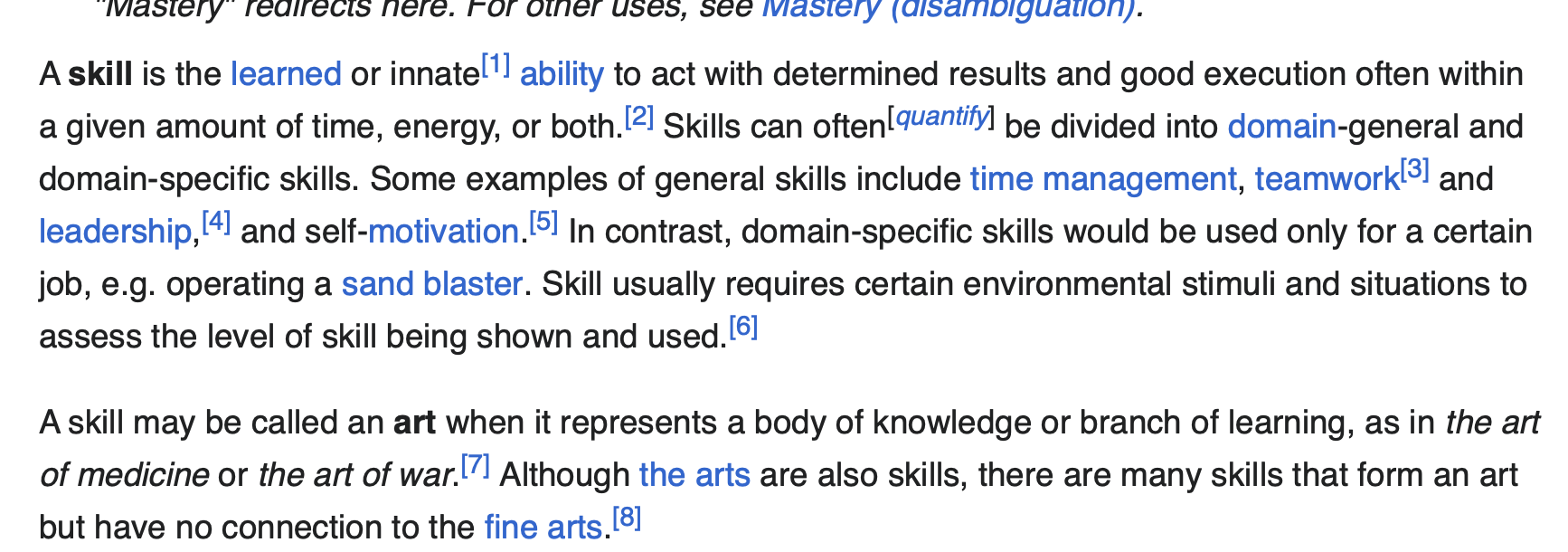
We will use a normal definition, here, not mine.
Rejoice!
Emergence
To be 100% original, you need to combine all 4 in a way that reinforce each other, without taking away from each other.
Once you do that - once you have something that's original, authentic to you, obedient of the laws of Reality, and skilled with great quality, you have something 100% original.
Examples
Elon Musk's focus on first principles, don't reinvent the laws of physics, or discover new ones; they spot a business opportunity that seemingly no one else noticed.
Do people spot business opportunities? ✅
Do people go to space, before Elon Musk? ✅
Do people know about space, before Elon Musk? ✅
Did Newton find and define the laws of gravity? ✅
Let's move on to harder questions.
Is it possible for someone to find and start this Space business before him? Yes, but none did, to the best of my understanding. So he passes the originality test, grade I. ✅
Is starting businesses no one thinks of, in the science fiction realm, representative of Elon Musk? I think he feels that way. He passes the authenticity test. ✅
Is Space X obedient to the laws of Reality? I don't think so. ❌ I don't know if he falls the laws of business well.
But I could be wrong. Let's say Elon Musk is a healthy entrepreneur who gives consistent results, and privatization of space happens.
In that case, yes, he is obedient of the laws of reality. If it's just sold for parts, and the company becomes a branch of Nasa, then no, it doesn't pass.
Is Space X a good business? I don't think so. ❌ If you disagree with me, then he passes this test, too.
Is a newly forged Katana blade, original, authentic, skilled and obedient of reality?
In conservative societies, being unoriginal, and unauthentic, while prioritizing skill and observance of reality, is a virtue.
So it's not original or authentic, but that's a good thing, unless you like Mugen from Samurai champloo.
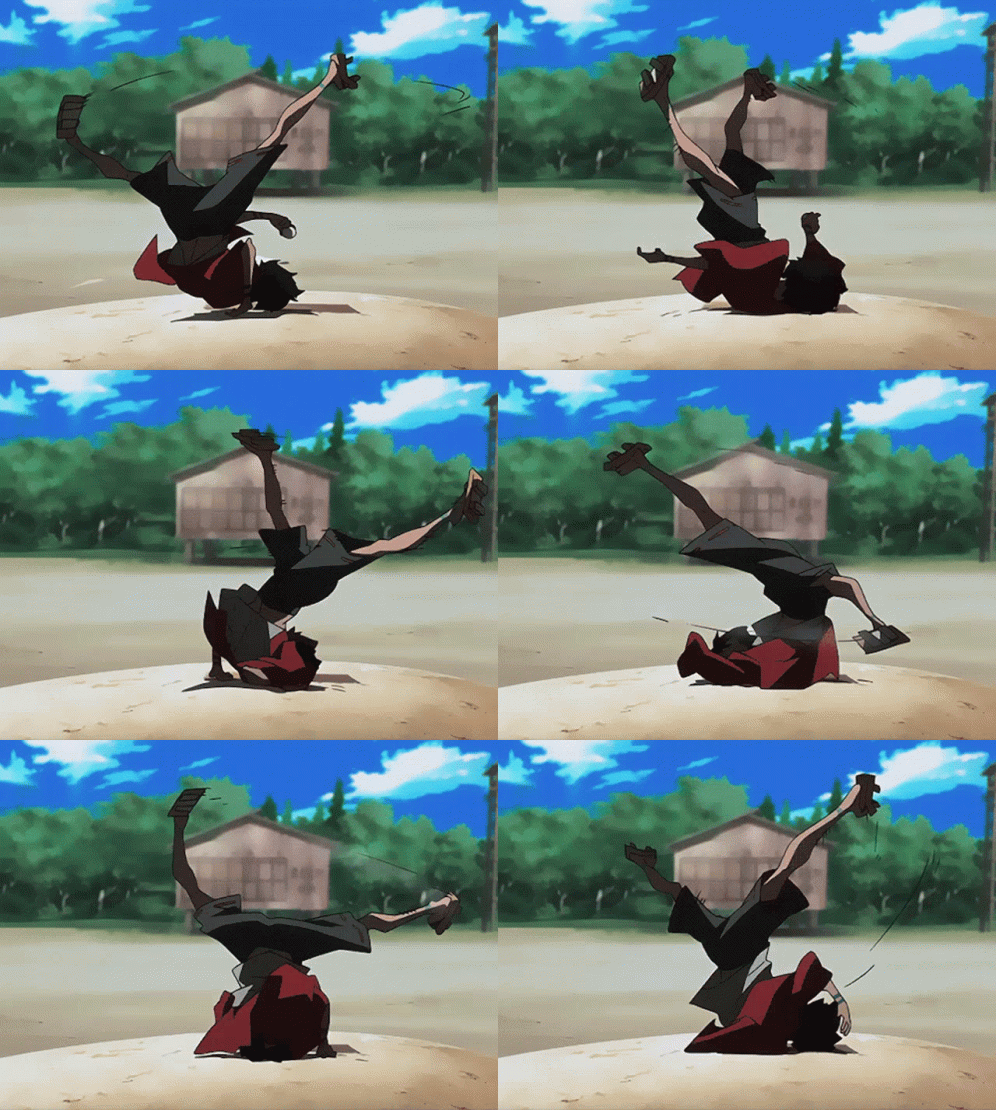
But, a great katana is still art.
So creating art, and being 100% original, are fundamentally linked by skill and laws of reality.
Now, let's talk about a warrior who comes across curdled milk, finds herbs like spinach, and cooks them together.
He hasn't heard about cottage cheese - in this thought experiment, he comes across curdled cow milk, which was left overnight by his wife.
He comes across spinach.
He knows of the laws of fermentation, protein, and herding, because he knows that when he comes home with some cow milk, his wife does something weird, and gives him bland, white stuff that is good for his health, especially after fighting a lot. He is ignorant of culture (yeast), protein molecules, and muscle repair.
So, one day he gets annoyed, takes cottage cheese, puts it into a pot, puts spinach in it, sets it to a simmer (like forging something gently), and puts some things he's seen his wife use; oil and older spices.
Eventually, it starts smelling good!
This bland cottage cheese has a deep spinach smell, without the weirdness of damp spinach.
The cheese is also soft, and tender; it's also not bland.
Did this creative warrior, now create Palaak Paneer, several miles in time and space before the first creation of Palaak Paneer in India?
You bet he did. He called it Pride of Thor.
In this reality, without his knowledge, someone less famous than Genghis Khan created Pride of the Yak, with butter instead of palaak, and Yak Milk instead of cow milk.
Both of their creations meet grade I of originality, but not grade II.
Let's say this creation is true to that masculine persona, for argument's sake - that, instead of going on raids, he forces younger men to eat the Pride of Thor, for their own sake, instead of choosing violence.
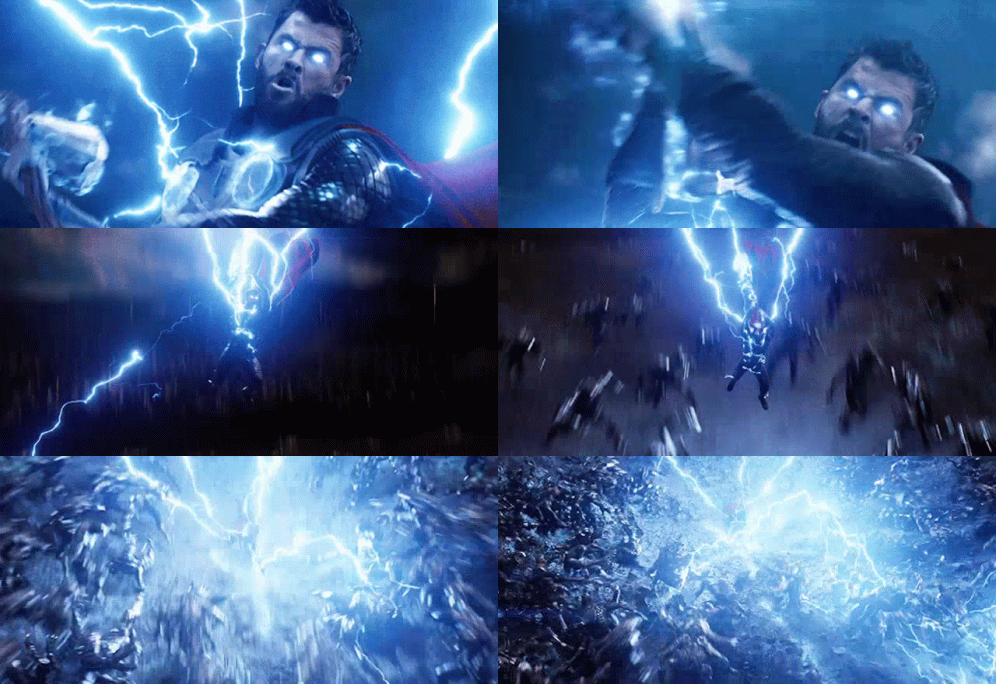
If they don't listen to him, and still choose violence, he can show them the other pride of Thor.
It's now authentic ✅
Is it skilled and obedient to laws of reality? It's probably worse than my mom's, but let's give it a pass, given how Elon Musk is faring today, and his end goals.
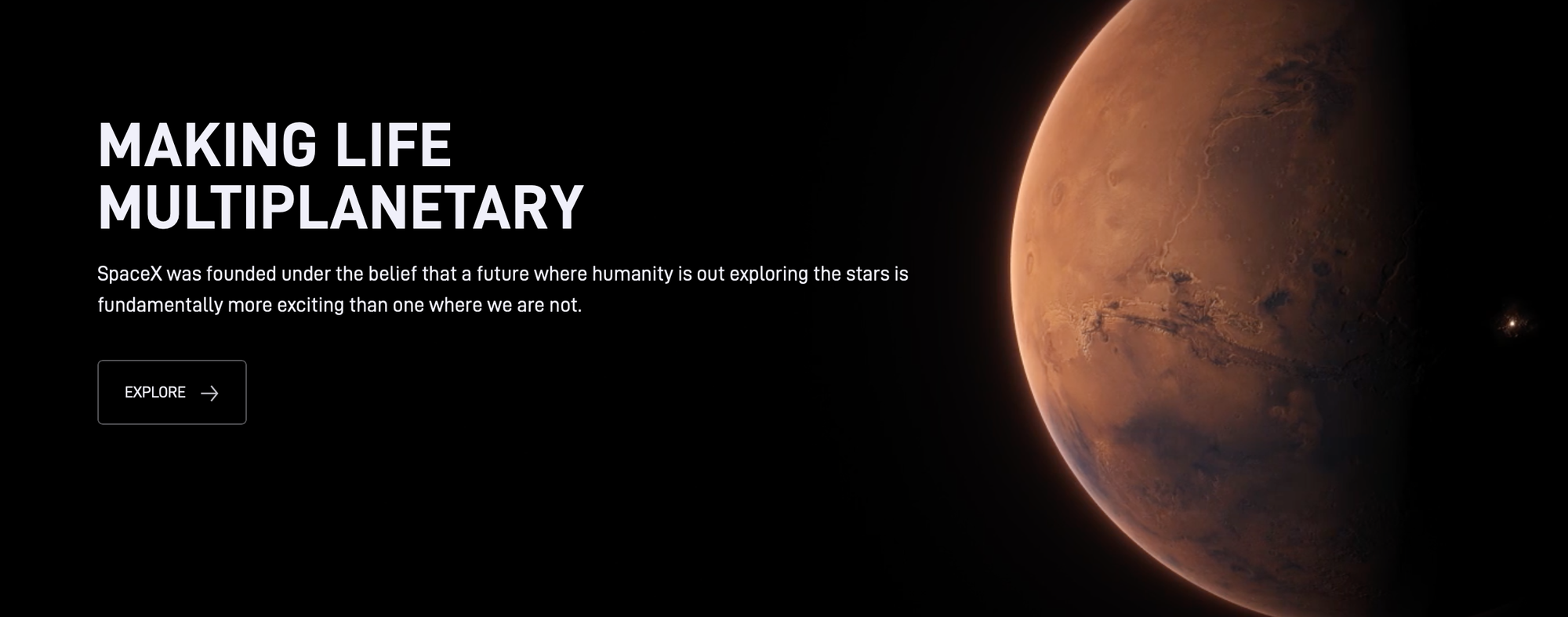
✅✅
Final questions
Is Elon Musk's Space X, a Katana, and the (fake) pride of Thor, emergent, and 100% original?
Once Space X achieves its goal, and is meeting the laws of business and leadership, while following the laws of Gravity, Rocket Science, and Thermodynamics, then, yes.
Even if there is an Earth before or after, the one and only Elon Musk, worked hard and created something in an economy where no one else did.
So, Space X would be 100% original.
Can you take away anything from my definition of 100% creativity, in order to criticize it, without also changing my claim?
If you take away authenticity, then in a future, another Space Y can be created, by another person.
But if that happens in our future, then Space X beat Space Y to it.
Let's say they haven't heard of Space X, when creating it.
Both Leibnitz (Germany) and Newton (England) are simultaneously credited for the creation of Calculus.
Can someone who is not Elon Musk spot such an opportunity, and make use of it?
In a standalone future universe, yes, it's possible.
Then: if a universe is capable of creating someone who creates Spaces Y, then why won't it create someone who creates Space X?
I believe there is some determinism; that things repeat until someone takes a stand otherwise.
So there genuinely may never be another person to create Space Y, which means that if Space X is observant of reality, and of high quality, then Space X passes the test.
Katanas are not 100% original. They fail the originality test, and their smiths honor their families by providing consistent, well tested and clearly defined swords of an older era.

The Pride of Thor, is original (grade I), authentic (it's what they eat in Valhalla, too, trust me), follows the laws of Reality, and is skilled (relatively).
They say beauty is in the eye of the beholder - so whoever likes palaak paneer today, will find beauty in the Pride of Thor.
Finally, Palaak paneer is different from cottage cheese, cheese, milk, gravy and spinach - it's an emergence, that is irreducible to skill, reality, originality, and authenticity, while providing for all 4.
Conclusion
Skill and reality can be objectively measured, and scientifically investigated.
Someone who runs faster, is measurable. Similarly, I think fine arts can be measured too, but not with an existing standard everyone agrees with.
Skill can be acquired. Reality can be studied.
Authenticity comes from self-integration, and bringing that into the world, skill and reality inclusive. By definition, authenticity is original - unless another you is possible.
I don't think another fully integrated being can repeat in time and space, because a fully integrated being will make changes to the world, in a way that's greater than the world that produces him.
So the world that moves on, will be altered enough to lose other outcomes.
A city that has changed because of a dam, will change again when the dam bursts - a premise of a 1000 years, when broken, will fundamentally alter the fate of the city.
It can adapt again, but it cannot go back to being the city that damned its rivers.
All 3 events - dam creation, dam usage, and dam breaking will become a fundamental part of the identity of the city.
There will always be 1 Suman.
His novels can be original, or not; he may be skilled in writing, or no; he may be talented with the laws, or study them, or be oblivious to them.
But to replicate my authenticity; my neurons, my pain, my choices (out of free will), and my joy, is to replicate a lot of other things, at which point God has to create 1 single outcome, which is the opposite of free creation.
In that reality, my namesake would also have to die, so that I can be worried about whether I would make it past the age of 23, or no. He also wrote poetry, looked like me, and was interested in the welfare of others.
I know the price I had to pay, to be 100% me, in this world; I was very conscious how people like me, didn't make it in life, financially, in society, or reality.
Such tragedy, even if personally never experienced in me, cannot be replicated, without also replicating everything else before me, which makes me unrepeatable.
I think that a universe that has me in it, cannot also have another me in it, even at a different point in time, space, and energy.
If it does, then I haven't acted out of free will, yet.
But I have. Some of my choices were very much born from my heart, and have made some positive seminal changes in some lives, irreversibly.
This argument is as much a counter against pure determinism, as it is an argument for being born again in emptiness, and how acting from that space is different from what conventional definitions of reality suggest.
It requires transcendence to understand this, and trust me, I know how that sounds like.
It sounds like the authority I have always criticized as being pompous.
🤦
Originality can be known historically, but not always. Sometimes it comes down to your views on reality, identity, and their interplay.
If the Wright Brothers invented flight, how can we truly know the Wong Sisters didn't do so in china, but didn't live to tell the tale?
Maybe, they kamikaze'd Genghis khan's special unit.
🤷
Together, something that is original and authentic, can be something as simple as a child declaring a sofa as a bunker against alien invasion.
Which is not possible in a world without sofas, bunkers, and aliens, and is original, unless other kids did the same thing, which they probably did.
At that point the sofa-bunker-resisting-aliens is probably just novel; especially if your parents don't know about aliens, but were nice enough to buy lot of books for you.
This fort is lacking in skill (children's ideas are very inconsistent even in their own world, usually), and doesn't obey reality (too young to know about ballistics).
Even more work
Do these things pass the 100% originality test of my spark theory?
- The anime, Samurai Champloo
- The movie, Godfather
- The novel, Moby Dick
- The toy, Hot Wheels
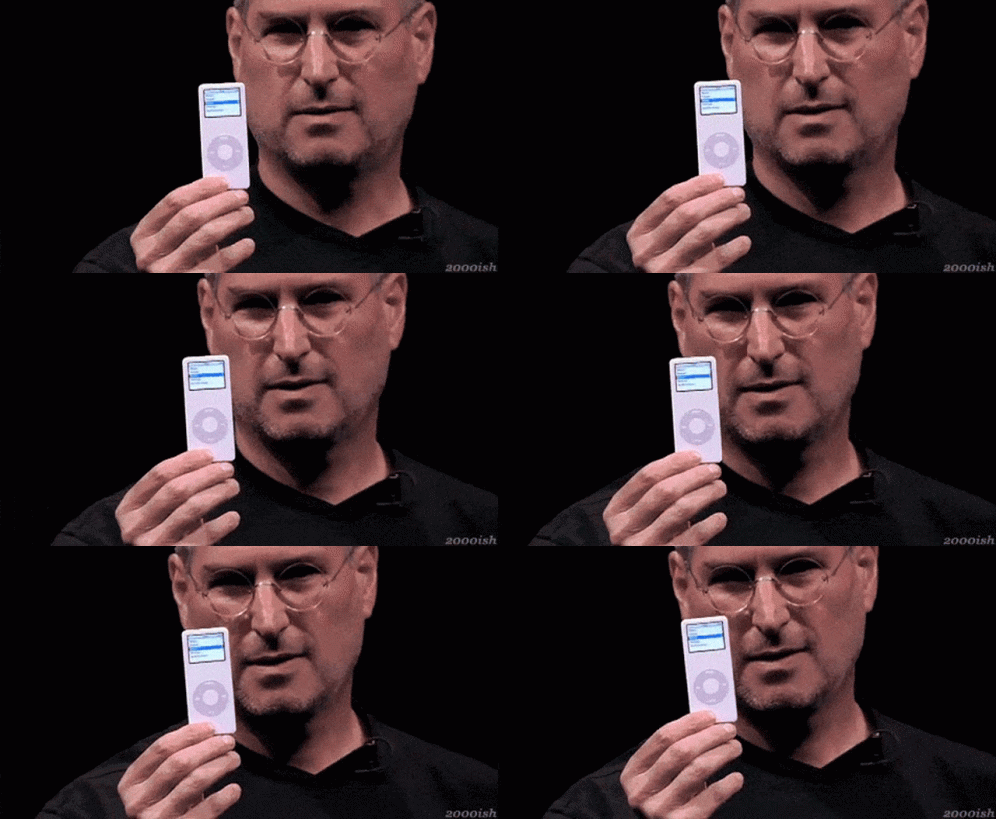
- The company, Apple
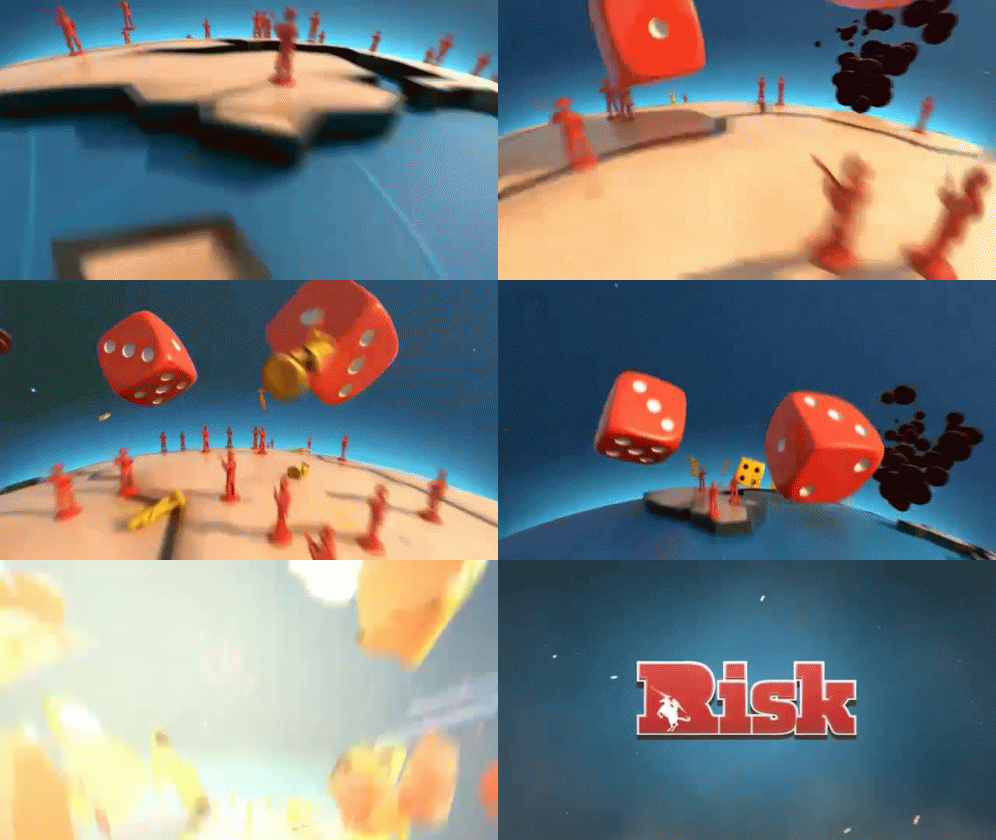
- The game, Risk
- The video game, Call of Duty
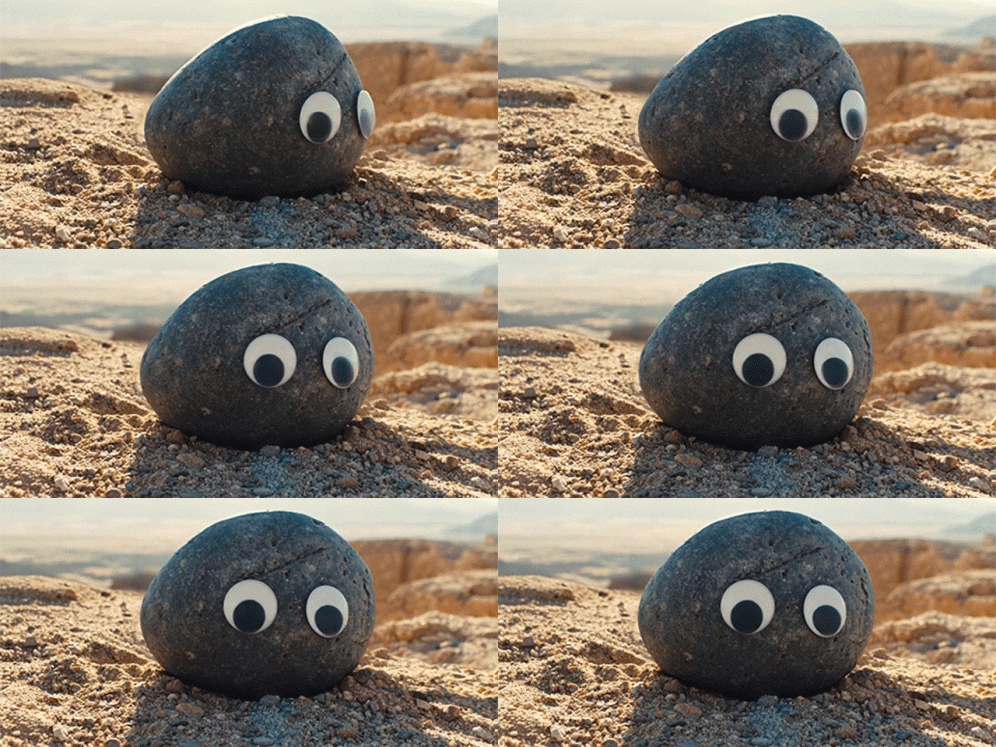
- The hype, pet rock.



Nice articles
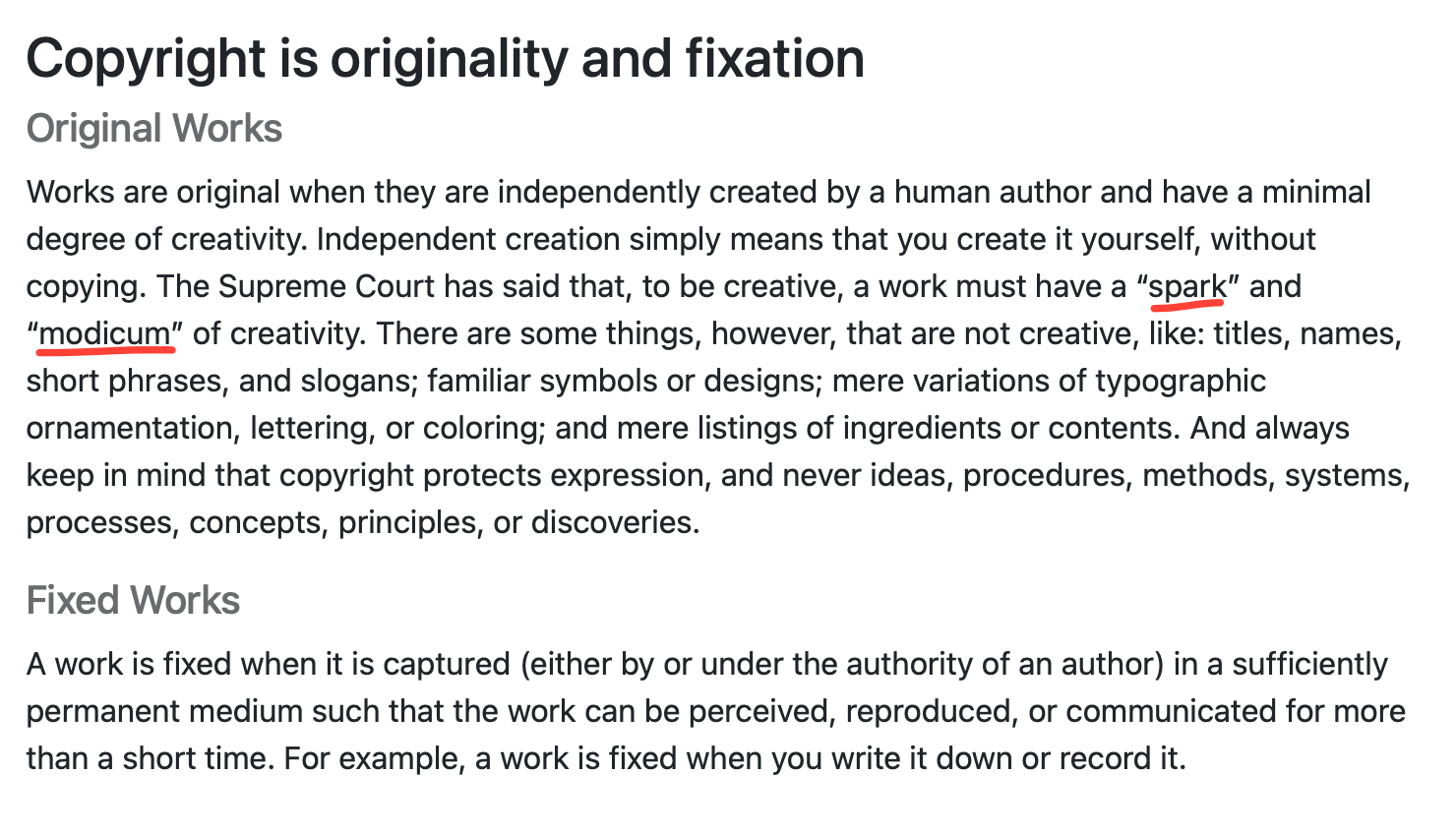
Here are some nice snippets I think you would appreciate.
Member discussion