Writer's Blog #13 - Anime and Buddhism.

I've been noticing a lot of Bodhisattva themes in Anime, along with Japanese cultural motifs. Maybe noticing this was a Mahayana bias.
Recently, I've been studying the basics of Buddhism a lot more, and realized I was lacking in some fundamentals, which was hindering my evolved and complete understanding of Buddhism.
So here is a better map of both Buddhism and Anime, compared to what I had before.
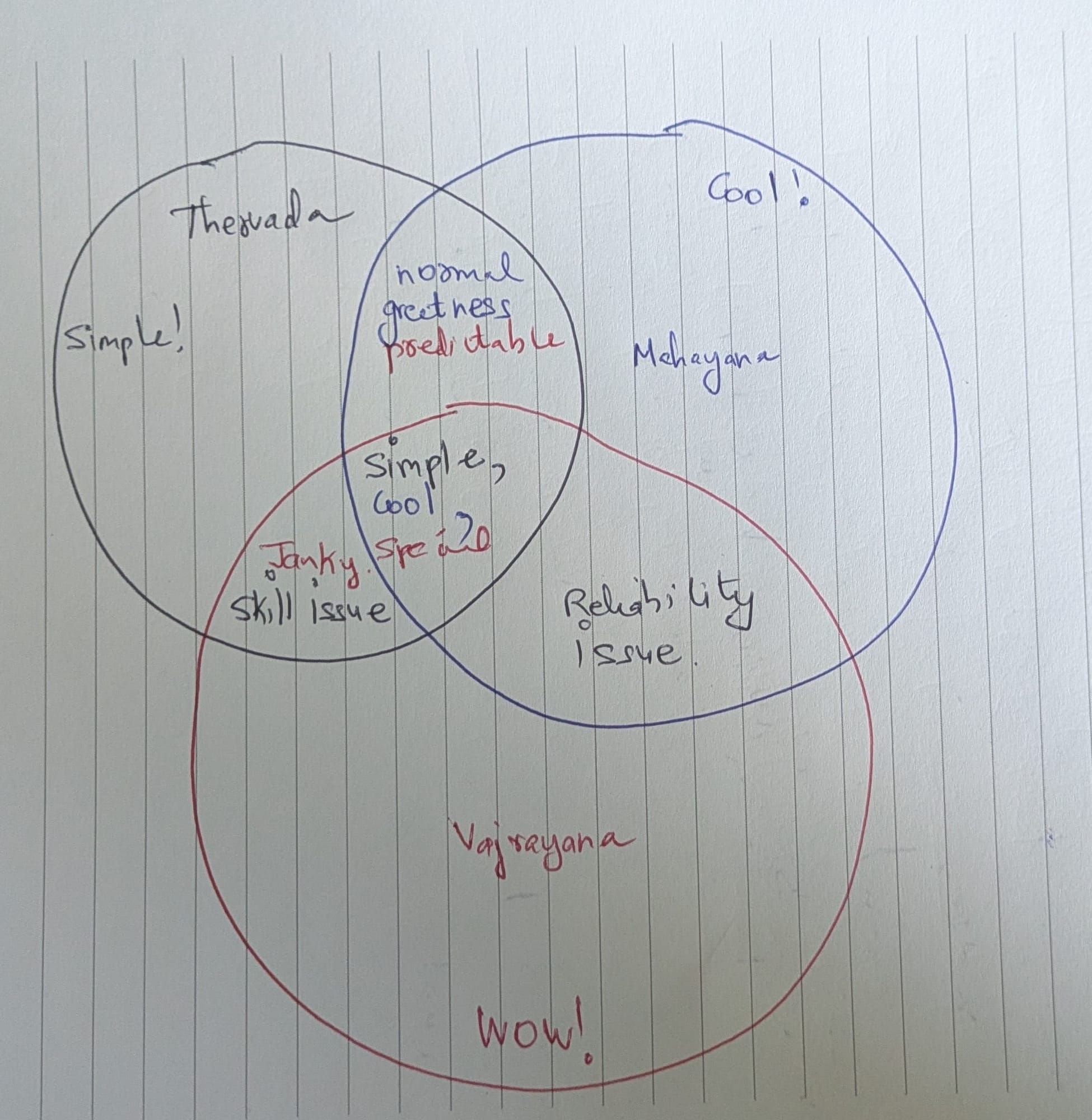
Theravada (sometimes called "Hinayana", or Small Yana) is to me the small and impactful things one does, that is a prerequisite for Mahayana (literally Big Yana).
This process (Yana is vehicle, and vehicles travel) makes sure the student is humble, and has a correct approach to Dharma. Correct, as opposed to good or great.
Mahayana focuses on the big things, which means there's a skill component to it. The world is always bigger than one's heart, mind and body. Skill acts as a leverage mechanism or amplifier.
It is possible to be great, and correct, but not necessarily special.
Vajrayana (Diamond Vehicle) focuses particularly on specialty, I think. I think of this as the Shaman's way, Odin's way, or the Tantra way.
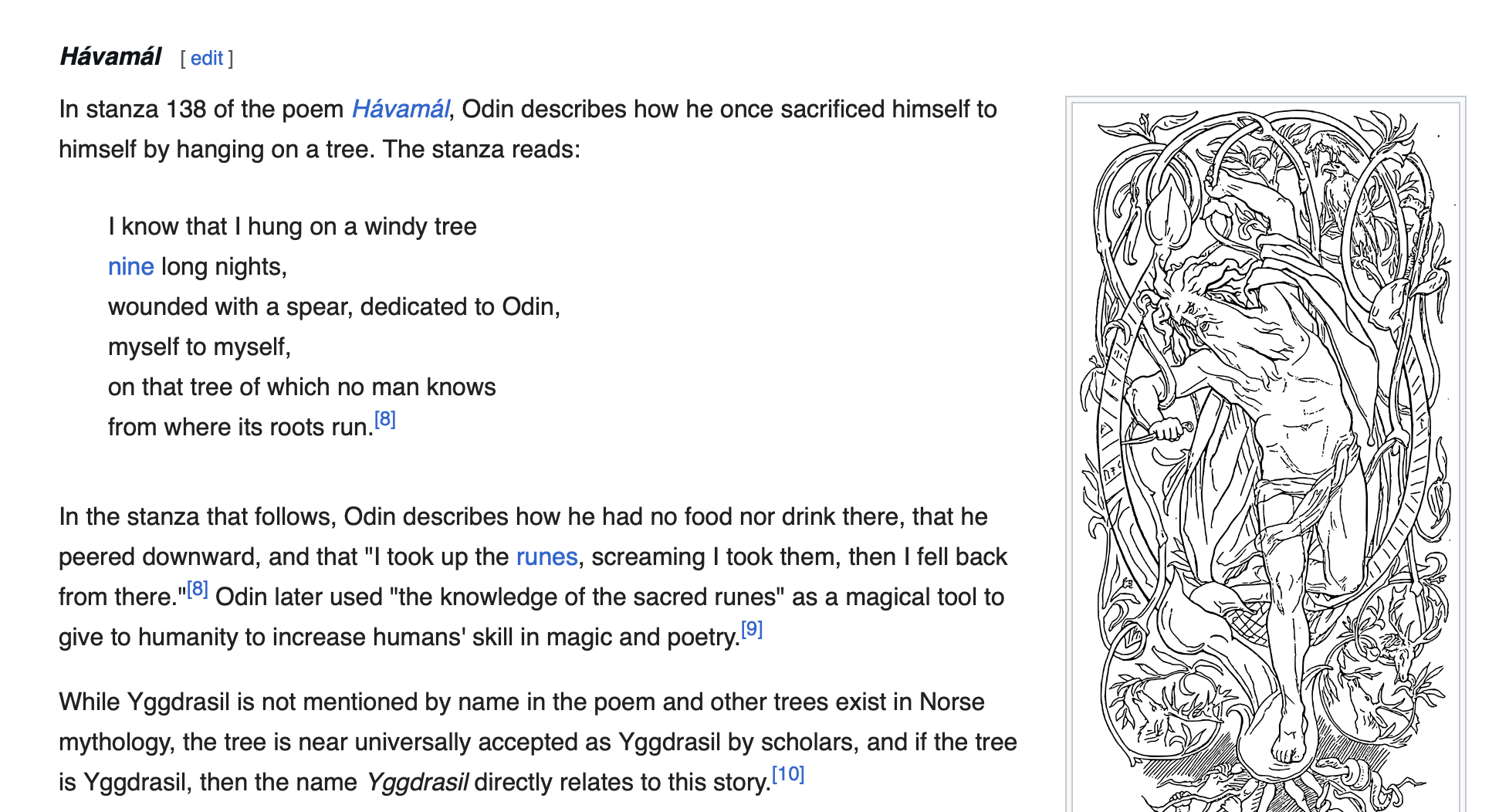
This is the special constitution one needs to have, to be magical.
Magic without skill becomes junk however; and magic without discipline becomes jank.
This is where Vajrayna benefits from focusing on the wider world, and discipline.
Gaming terms 101
Skill issue is a nice term I've heard used in online games.
I've heard it used as 'you don't understand me', which feels very appropriate.
Example:
Person 1: You can't use cavalry on this map.
Veteran: Skill issue.
Implication being there's a skill gap that forced this lack of understanding, and that were the person a better player, he'd understand that nuance exists.
....Though sometimes it's not really a skill issue, and online, pithy responses cinch the deal.
Janky typically means random or tricky.
These strategies are typically always off-meta, and are hard to deal with just by the nature of that style.
My mom always thought I was special. This mattered to me a lot in the harsh, uncaring and unforgiving world I found myself in.

As bad as the world was, I gave it many chances. As many chances I gave it, I should have given myself that many chances. Not more, or less - the same amount.
So, while my desire to be special worked out, technically, my desire for discipline was always artificial. I only did it while I hated that my mother insisted on it.
As a fantasist, I was actually drawn to Zen Buddhism, which has a strong Mahayana focus. I was drawn to Zen Buddhism because I thought Zen was cool - so in addition to having the wrong reason, that's actually a Vajrayana factor.
I know the Venn diagram says Mahayana is cool. But my response to cool, has always been one of wonder, which has to do with special.
Wonder and coolness sit on the opposite sides of special.
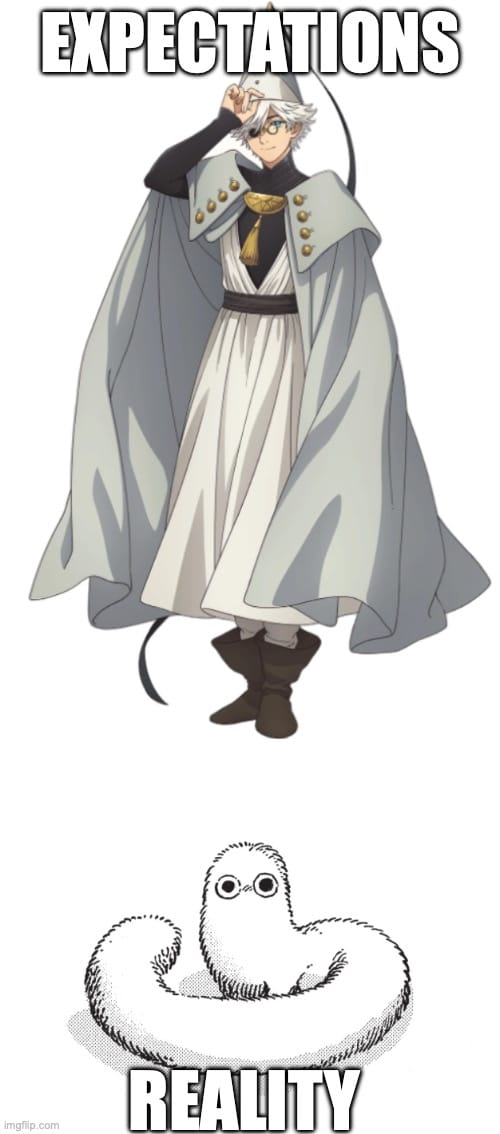
I was never intrinsically cool, or disciplined. I was always wowed by the world, on a deep level.
Any positive virtue that shines off me as cool or simple, is actually:
- My mom being adamant about conventional virtue or habit
- Me being adamant about skill
- Me wanting to improve.
- Me wanting to fit in
- Me thinking (wrongly) that if I change, I can fit in, and changing authentically is the only change I accepted.
I see these themes in Anime characters a lot. Watching Mob Psycho 100 made me realize this better.
Maybe Shonen Anime does have a fundamental bias towards greatness and coolness.
Shows like Frieren and Witch Hat Atelier helped me see more. Both stuck out to me as weird in the beginning, which is why I am so happy I saw them.


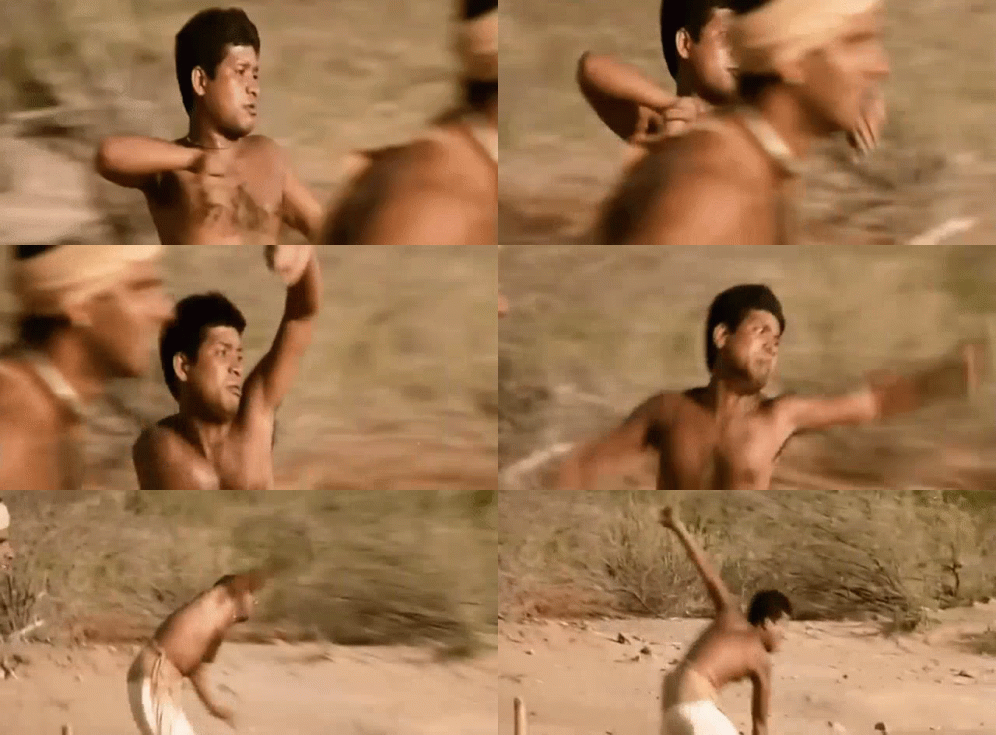
It's this action scene that made me want to start watching the show. The description on Netflix didn't sell it for me, even though it was well written and innovative.
Just like in Buddhism, my initial impression was incomplete. Both shows have a very small focus (slice of life anime) that bring a lot of emotional complexity into the action, stories and lore of that world.
They both have action scenes I really liked, because the characters matter to me, the world, their creators, and the story. I can see the love the characters got.
The attachment and clinginess I felt when wanting a character to win a fight, especially reminded me of my childhood, especially since the fights were so well done.
If you won't tell Buddha, I won't.
The previous line was a comment on stakes in literature, anyway.
If the creator of Fullmetal Alchemist, or Witch Hat Atelier, wanted to be Maha (great, cool) or Vajra (Special) only, the show would not have worked as well.
They both are special. They both have a world.
The reason we see them as cool, however, is because the writers worked simply everyday, and decide to be brave in being special.
They focus on very few simple questions, and make the whole world bend to those questions.
The more I make what I do special, or cool, the more I am missing the point of myself and the world.
It's a lack of scope that brings out who I am.
I don't mean that constraints breed creativity, though that's what I sound like.
I mean being less is fundamental to realizing the essence of specialty and greatness, even if you have the opportunity to do more and be special.
I feel the word constraints paint a picture of chains, or restriction - like if you drop a fruit through a net of blades, it becomes smaller and well cut.
I mean the lesson learnt through minimalism is a much needed talking point for people who focus on special things or cool things, and is non-optional, just like they say.
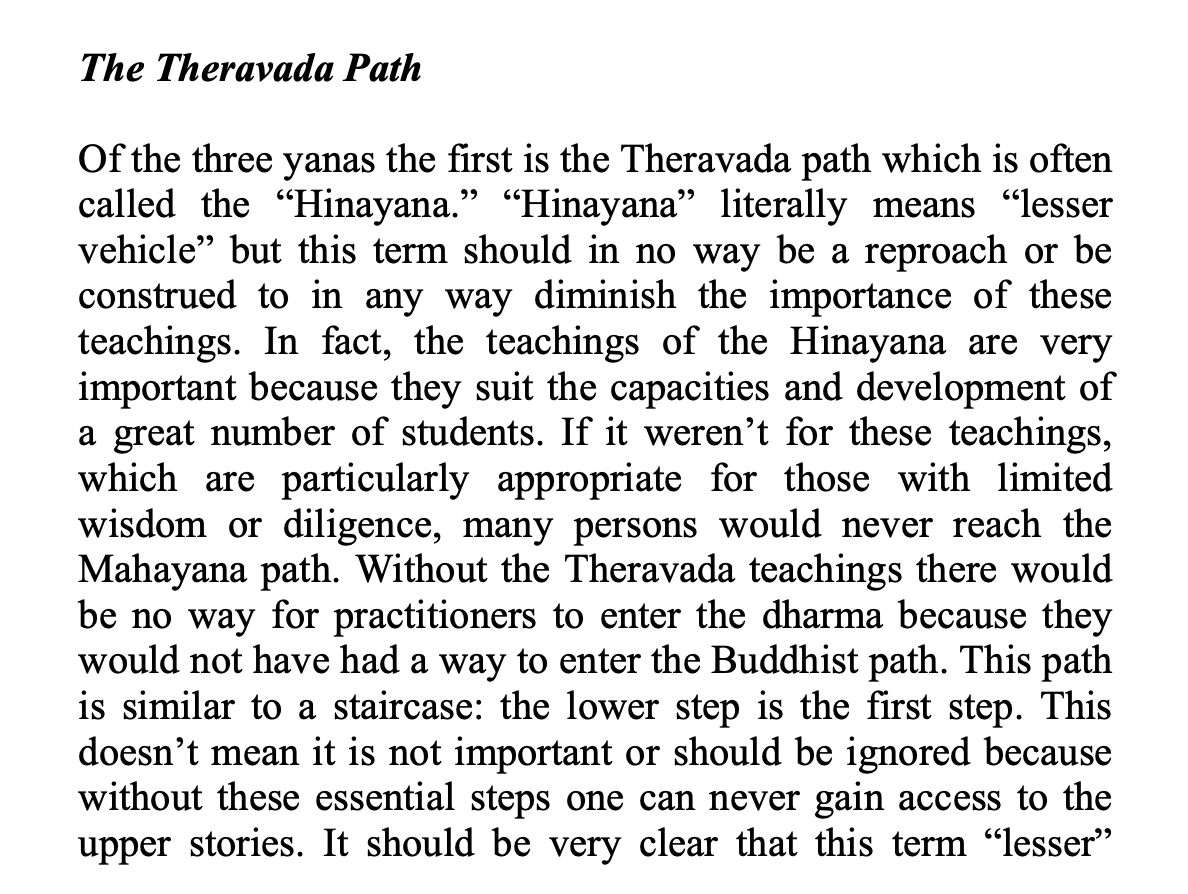
I would like to go further. My insight is not that Theravada / Hinayana is a foundation, or that more risk is possible with better foundation.
My insight is that most of reality is actually, simple, whether or not there are deep laws beneath it, or beauty happens when sun and water create rainbows.
Lot of times we praise people, it's not really that what they do is special or great.
Simplicity in itself is a great lesson for both the seeking mind and solved mind, and once learned, is an essential ingredient for seeking and solving.
Simplicity is the taste of water - not because it's special after hard work, or great as a juice ingredient, or as a biological necessity, or because it has buoyancy.
It's soft and fluid.
That's all it needs to be, and that's all it is, and that's enough.
Everything else is our own color, culinary invention, anthropological fixation, and scientific mindset.
Member discussion